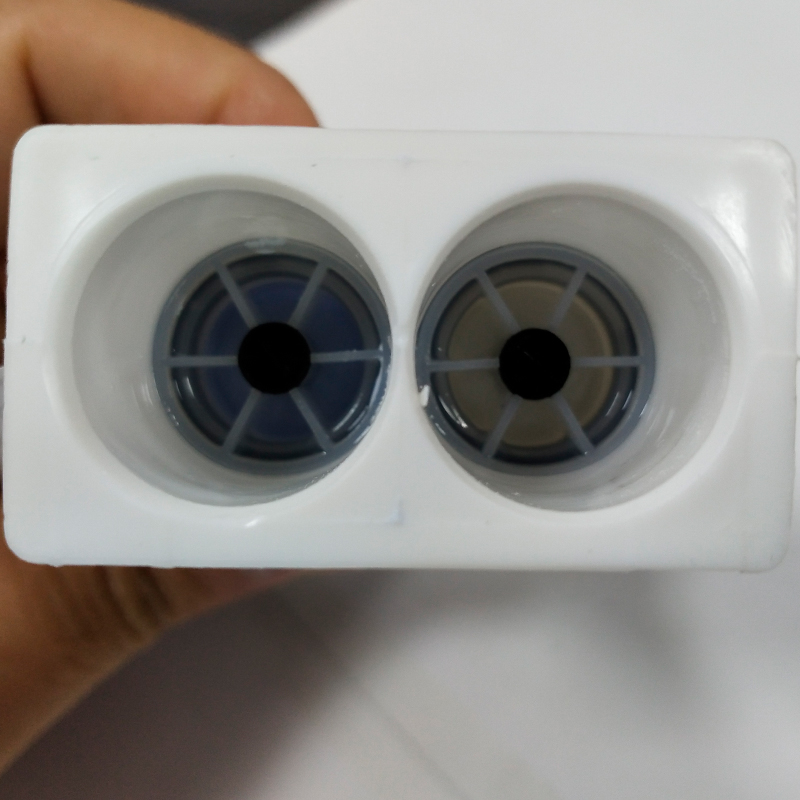
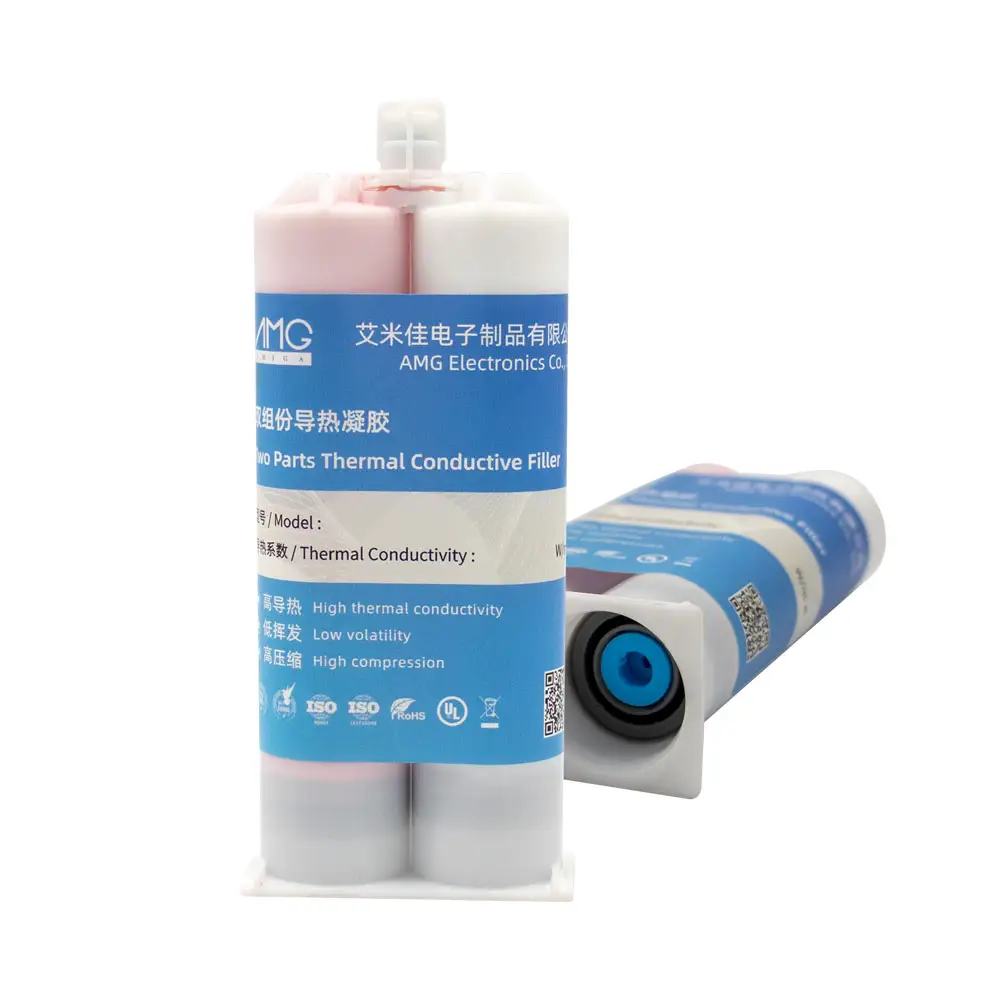
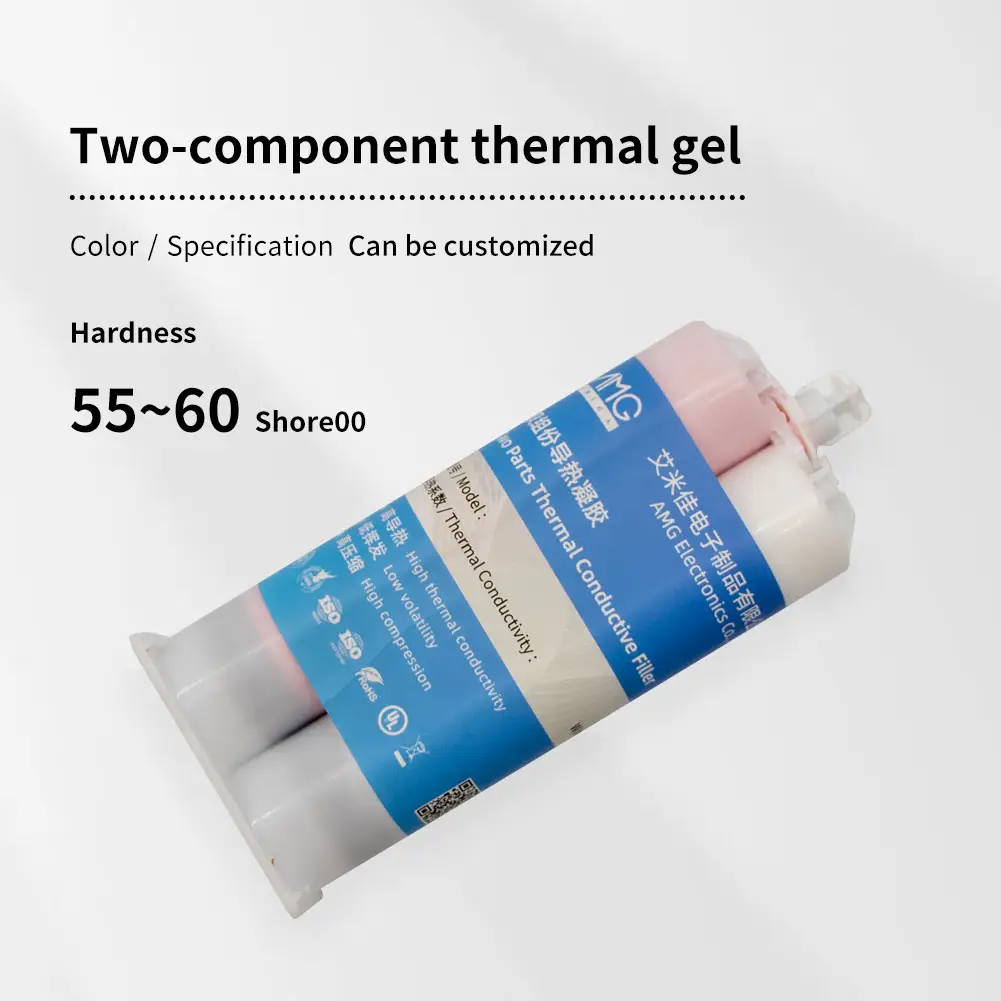
The key benefit of 2 Part Thermal Compounds lies in their ability to provide precise mixing, resulting in a consistent thermal interface that effectively bridges the gap between heat-generating components and heat sinks. Unlike other thermal materials, the dual-component nature of these compounds allows for a customizable mixture that meets the specific needs of various applications. By enhancing the thermal interface with compounds like Two-Component Silicone Gel, Thermal Interface Materials become much more efficient at conducting heat, ensuring that electronic devices remain cool under load.
In industries like computing and automotive engineering, where heat management is crucial for system stability, 2 Part Thermal Compounds help in ensuring that high-performance systems do not overheat. Thermal Conductive Grease and Thermal Putty are often used alongside these compounds to fill microscopic gaps and improve the thermal connection between components. This minimizes the risk of overheating, reducing the likelihood of system failures and increasing the overall reliability of the device.
Another advantage of using 2 Part Thermal Compounds is their versatility. These compounds can be applied to a wide range of materials and configurations, including printed circuit boards (PCBs), chips, processors, and other sensitive components. The integration of these materials with Thermal Interface Materials and Thermal Conductive Silicone Pads helps ensure uniform thermal distribution, optimizing the efficiency of cooling solutions. Whether for consumer electronics or industrial applications, the use of these compounds can significantly improve performance.
Ultimately, 2 Part Thermal Compounds are indispensable for modern thermal management systems. They provide an essential service by enabling precise, controlled, and efficient heat transfer. With their customizable nature, compatibility with Thermal Conductive Grease, and additional benefits when paired with Thermal Putty or Thermal Silicone Pads, these compounds are leading the way toward more efficient and reliable thermal solutions in various industries.