

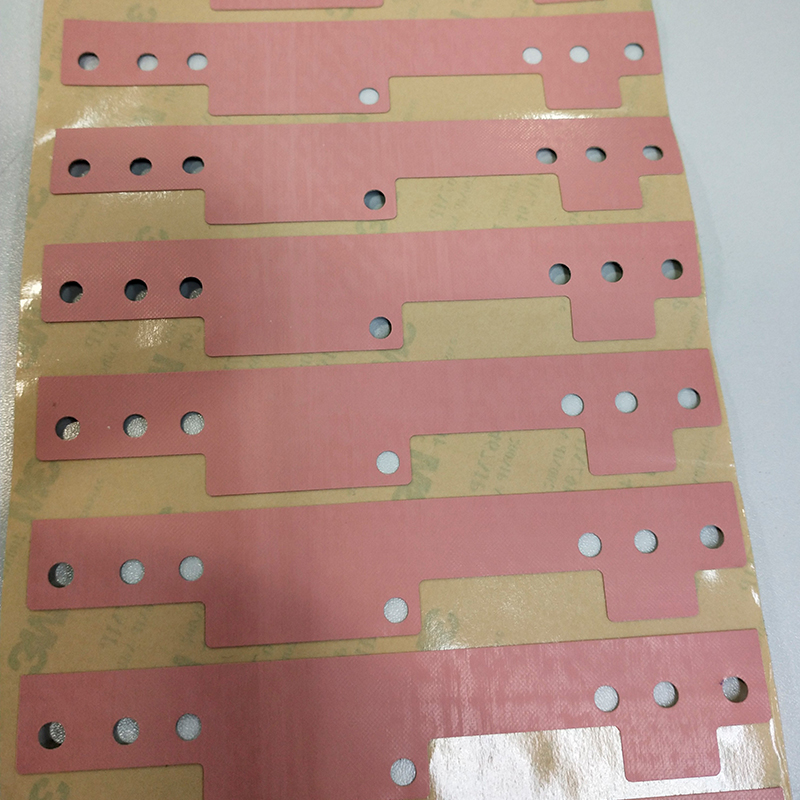
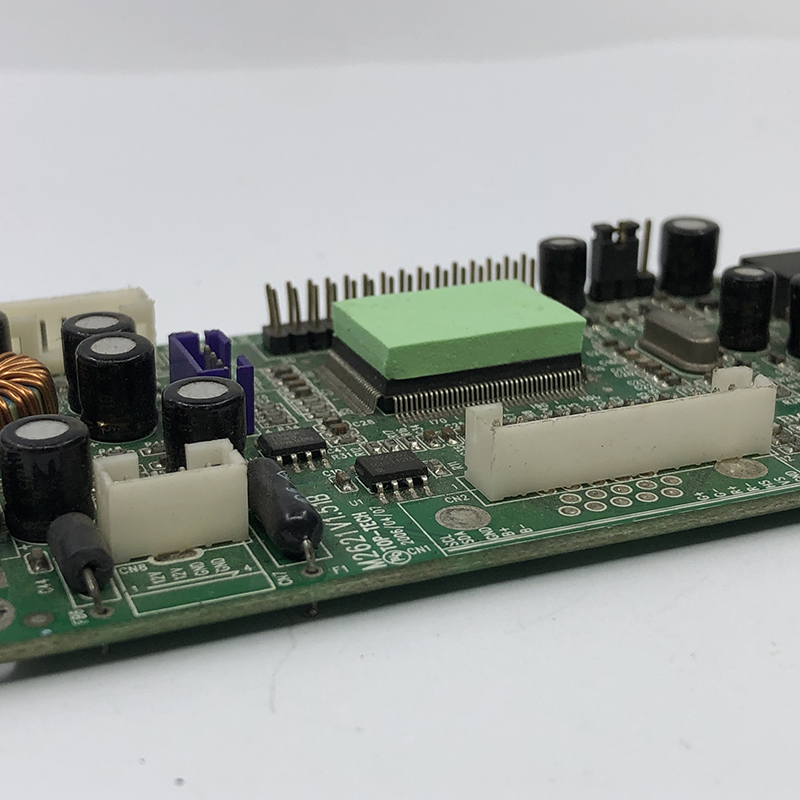
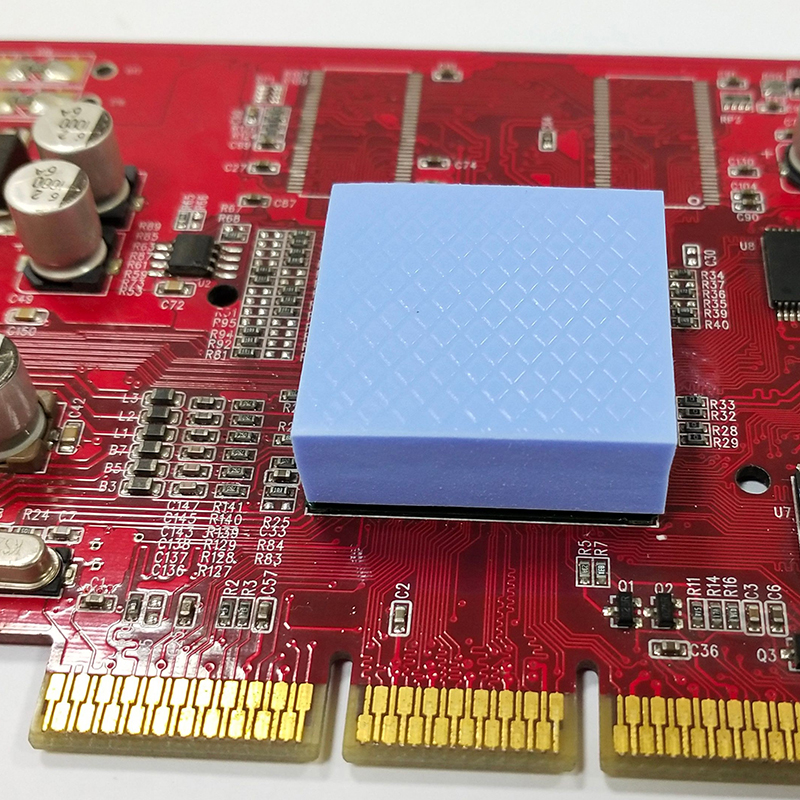
Thermal Silicone Rubber offers several key advantages over traditional materials. First, its flexibility allows it to adapt to a wide range of surfaces, making it ideal for applications with irregular or uneven components. When used as a Silicone Rubber Thermal Pad, it ensures a solid thermal interface between components and heat sinks, transferring heat efficiently. Additionally, Thermal Silicone Rubber can be combined with Thermal Interface Materials to enhance thermal conductivity, ensuring that devices stay cool even under heavy loads.
The combination of Thermal Silicone Rubber with other materials like High Thermal Conductivity Heater Pads and Thermal Conductive Silicone Pads helps improve the overall efficiency of cooling systems. These materials work together to create a comprehensive thermal solution that effectively manages heat across different surfaces. Whether it’s for consumer electronics, automotive applications, or industrial machinery, the use of Thermal Silicone Rubber ensures that systems perform optimally and remain protected from thermal stress.
Furthermore, Thermal Silicone Rubber is known for its durability. Unlike other materials, it can withstand extreme temperatures without degrading over time. This makes it particularly useful in high-performance applications where prolonged exposure to heat could otherwise cause failure. The material’s adaptability and longevity make it an ideal choice for industries where consistent, long-term thermal management is required.
In today’s rapidly advancing technological landscape, Thermal Silicone Rubber is emerging as a vital component in ensuring that devices, machines, and systems maintain peak performance. By working synergistically with other Thermal Interface Materials like Thermal Conductive Grease and Gap Fillers, it ensures reliable and efficient heat dissipation across a wide variety of applications. As the need for advanced cooling systems grows, Thermal Silicone Rubber remains an essential part of the solution.